Performance
Why Athletes Are Choosing Robotic Therapy for Performance
You don't need to be in pain to benefit from the Robotic Therapy. Here's why competitive and recreational athletes are using robotic therapy to improve flexibility, explosiveness, and recovery time.
Performance Starts with Muscle Length
Every athlete knows that flexibility matters. But most approach it the wrong way: static stretching, foam rolling, maybe a yoga class. These methods have value, but they address flexibility at the surface level. They temporarily increase range of motion without changing the structural length of the muscle tissue.
Here's the biomechanical reality: a longer muscle contracts more powerfully. When muscle fibers are at their optimal resting length, they can generate more force through a fuller range of motion. Shortened muscles produce weaker contractions and limit how far a joint can travel. That's why chronic tightness doesn't just feel limiting — it is limiting. Your stride gets shorter. Your swing loses power. Your reaction time slows because your muscles can't fire from the right starting position.
How the RobotRx Changes the Game for Athletes
The RX2600 applies up to 30 pounds of sustained, calibrated pressure combined with heat and vibration. For athletes, this means muscle tissue that has been chronically shortened — from training, repetitive movement, or incomplete recovery — can be structurally lengthened in a way that static stretching never achieves.
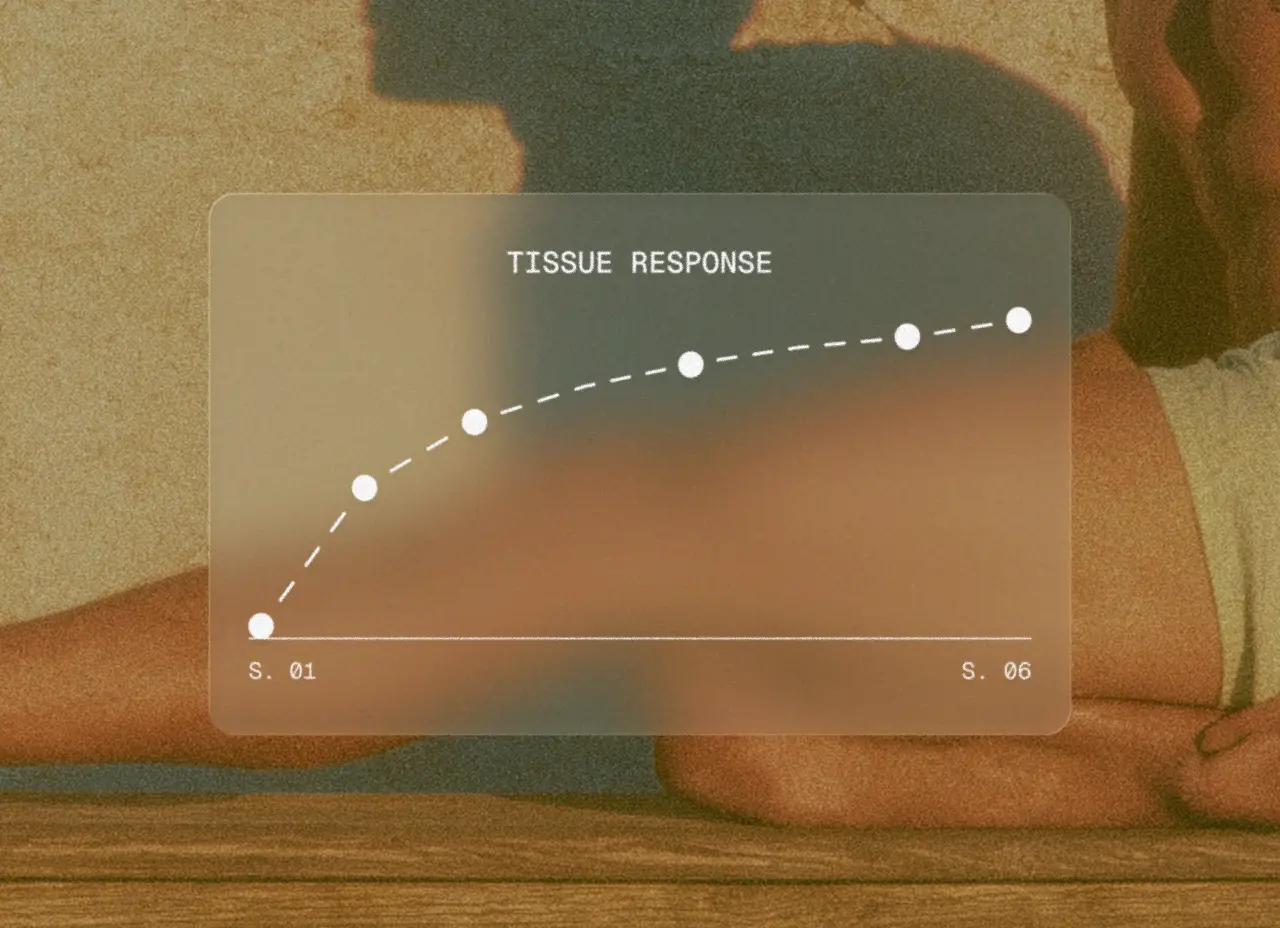
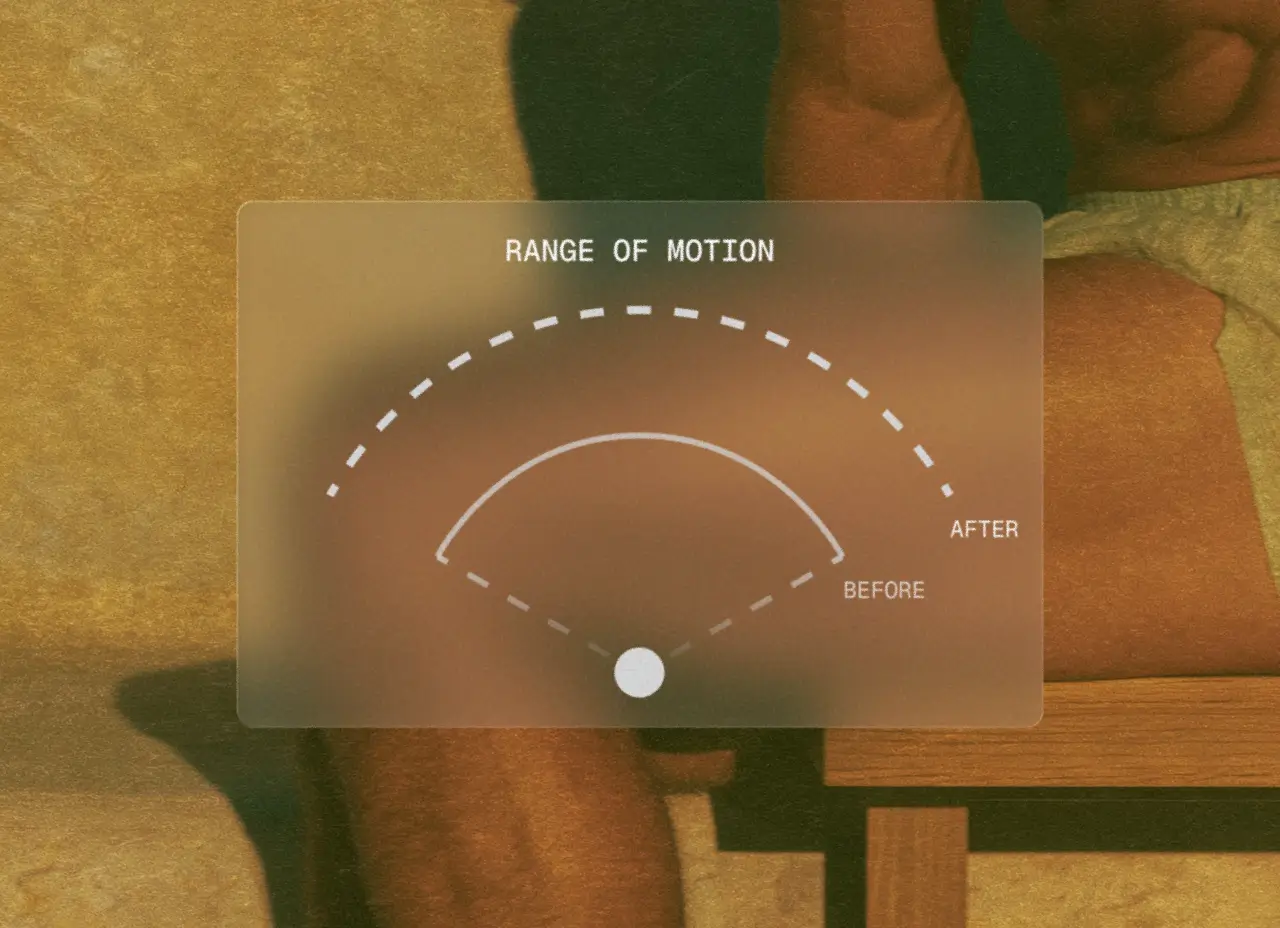
The results are measurable. We track range of motion, grip strength, and sport-specific mobility markers from your very first session. Athletes who complete a course of treatment typically see significant improvements in flexibility that translate directly to their sport: longer stride length for runners, greater shoulder rotation for swimmers and throwers, deeper hip flexion for cyclists and weightlifters.
Recovery Between Training Sessions
Athletes also use the RX2600 as a recovery tool between training blocks. Intense training creates microtrauma in muscle tissue, which is a normal part of adaptation. But when recovery is incomplete, that tissue heals in a shortened, restricted state. Over time, this accumulation of incomplete recovery leads to the chronic tightness that eventually becomes an injury.
Robotic therapy accelerates the recovery process by restoring muscle length after training, allowing tissue to heal at its optimal length rather than in a shortened, guarded position. Many athletes schedule sessions between competition phases or during deload weeks to maintain the structural gains they've made.
For athletes who also want to address specific trigger points or fascial restrictions, we offer Dry Needling and Cupping as add-on treatments. Dry Needling releases deep muscle knots before a robotic therapy session, and Cupping increases blood flow to promote faster recovery afterward.
It's Not Just for Pros
You don't need to be a professional athlete to benefit from performance-focused robotic therapy. Weekend warriors, recreational runners, CrossFit enthusiasts, golfers, pickleball players — anyone who trains regularly and wants to move better, recover faster, and reduce their risk of injury.
The approach is the same regardless of your level: assess, measure, treat, remeasure. The data guides the treatment, and the results speak for themselves. If you're training hard and want to see what your body is capable of when your muscles are actually at their optimal length, robotic therapy is worth a session.