Tech
What Is Robotic Physical Therapy? A Complete Guide
Robotic physical therapy uses FDA-registered technology to deliver consistent, measurable treatment that manual therapy can't match. Here's everything you need to know about how it works and who it's for.

A New Standard for Physical Therapy
Physical therapy has always relied on human hands. And for decades, that was the only option. But the limitations of manual therapy are well-documented: practitioners fatigue over the course of a session, pressure varies from visit to visit, and there's no objective way to measure whether the treatment is actually working beyond asking how you feel.
Robotic physical therapy changes the equation. It uses an FDA Class II registered robotic system to deliver controlled, calibrated pressure to targeted muscle groups with a level of consistency that human hands simply can't sustain. The result is structural change in muscle tissue, not just temporary relief.
How the RX2600 Works
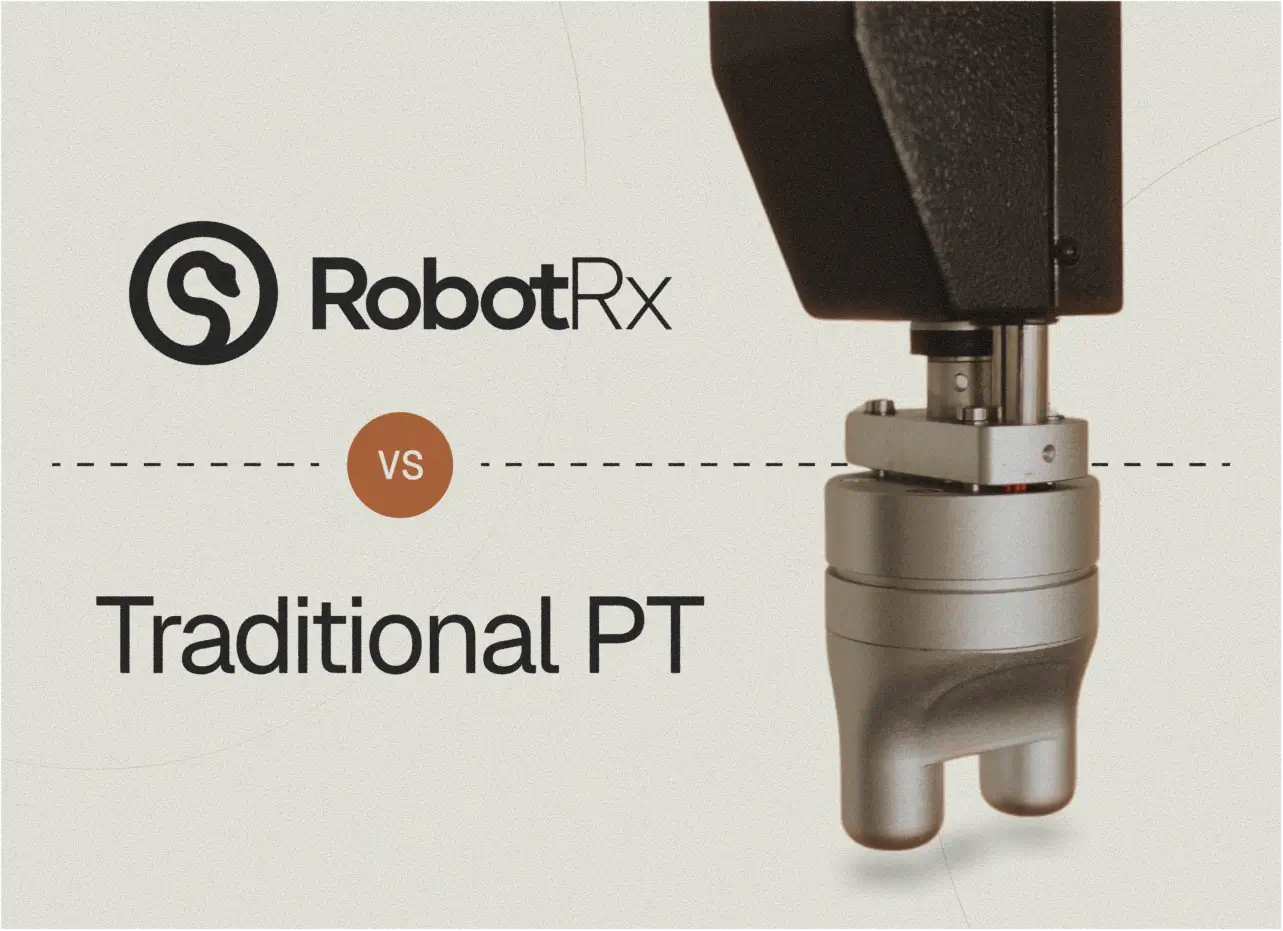
At the center of robotic physical therapy is the RX2600, a robotic therapy system designed, engineered, and manufactured in Plymouth, Michigan. The system applies up to 30 pounds of controlled, static pressure in sustained 21-second intervals, combined with heat and vibration.
Here's why that matters. Shortened, tight muscles are the root cause of most chronic pain. When pressure is applied for long enough at the right intensity, muscle tissue physically lengthens. Human hands fatigue after a few seconds of sustained pressure. The RX2600 doesn't. It maintains exact pressure for the full interval, every time, every session.
Your therapist identifies the muscles driving your pain, programs the system to target them, and monitors the session in real time. The robot handles the execution. The therapist handles the strategy.
Who Is Robotic Physical Therapy For?
Robotic physical therapy treats over 40 conditions, but the patients who benefit most tend to fall into three categories.
Chronic pain patients who have tried other treatments without lasting results. If you've been through rounds of chiropractic, massage, injections, or traditional PT and you're still in pain, the issue may be that those treatments never addressed the structural cause. The RX2600 targets shortened muscles directly.
Athletes and active individuals looking to improve performance. You don't need to be in pain to benefit. Longer muscles contract more powerfully, which translates to better range of motion, increased flexibility, and improved explosiveness. Many athletes use robotic therapy as a performance tool, not just a recovery tool.
Post-surgical patients who have plateaued in traditional rehabilitation. After surgery, there's often a point where progress stalls. The RX2600's controlled pressure can push past those plateaus safely, restoring range of motion that manual therapy alone couldn't reach.
What Makes It Different from Manual Therapy?
The difference comes down to three things: consistency, precision, and measurability.
Consistency means the RX2600 delivers the same calibrated pressure at the same intensity for the same duration, every session. There's no variation based on the practitioner's energy level or hand fatigue.
Precision means the system targets exactly the muscles your therapist identifies as the source of your pain, not just where it hurts. Referred pain is common. Where you feel pain and where the problem lives are often different.
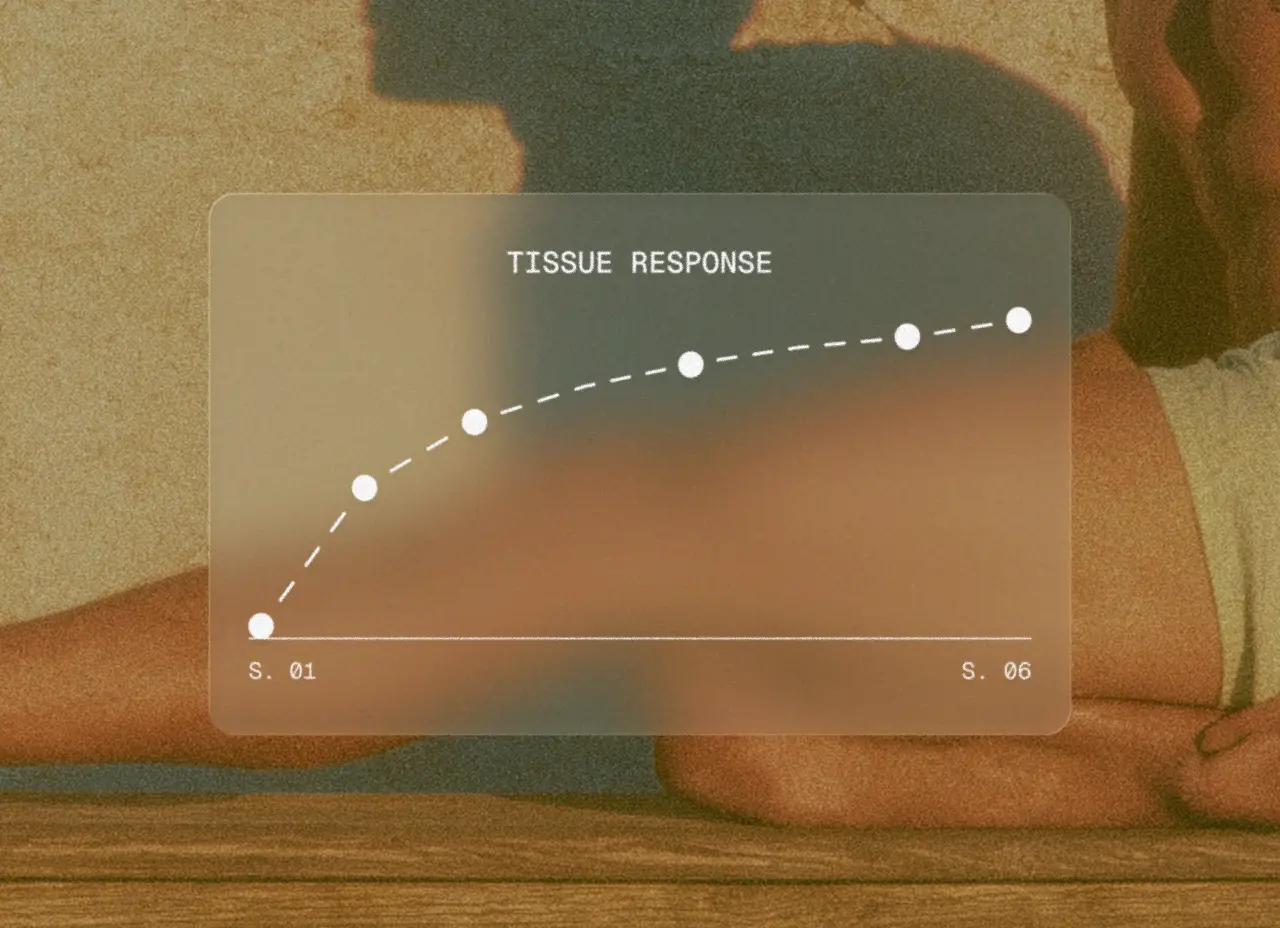
Measurability means every session is tracked. Grip strength, range of motion, and mobility markers are measured at your first visit and at key intervals throughout treatment. You see the numbers change. You don't have to guess whether it's working.
What to Expect at Your First Session
Your first session at RobotRx is 90 minutes and costs $225. It includes a full assessment where your therapist measures your baseline: grip strength, range of motion, and mobility markers. This data becomes the foundation for your treatment plan.
After the assessment, you receive a complete treatment on the RX2600. By the end of the session, you'll have measurable data and a clear sense of how the treatment feels. Every session after that is one treatment hour at $150.
Wear comfortable, loose-fitting clothing and arrive about 10 minutes early. A team member will walk you through everything before your session begins.