Conditions
Sciatica Treatment That Lasts: A Data-Driven Approach
Sciatica pain down your leg usually isn't a nerve problem — it's a muscle problem. Here's how a data-driven approach to the piriformis and surrounding muscles produces lasting relief.
What's Really Causing Your Sciatica
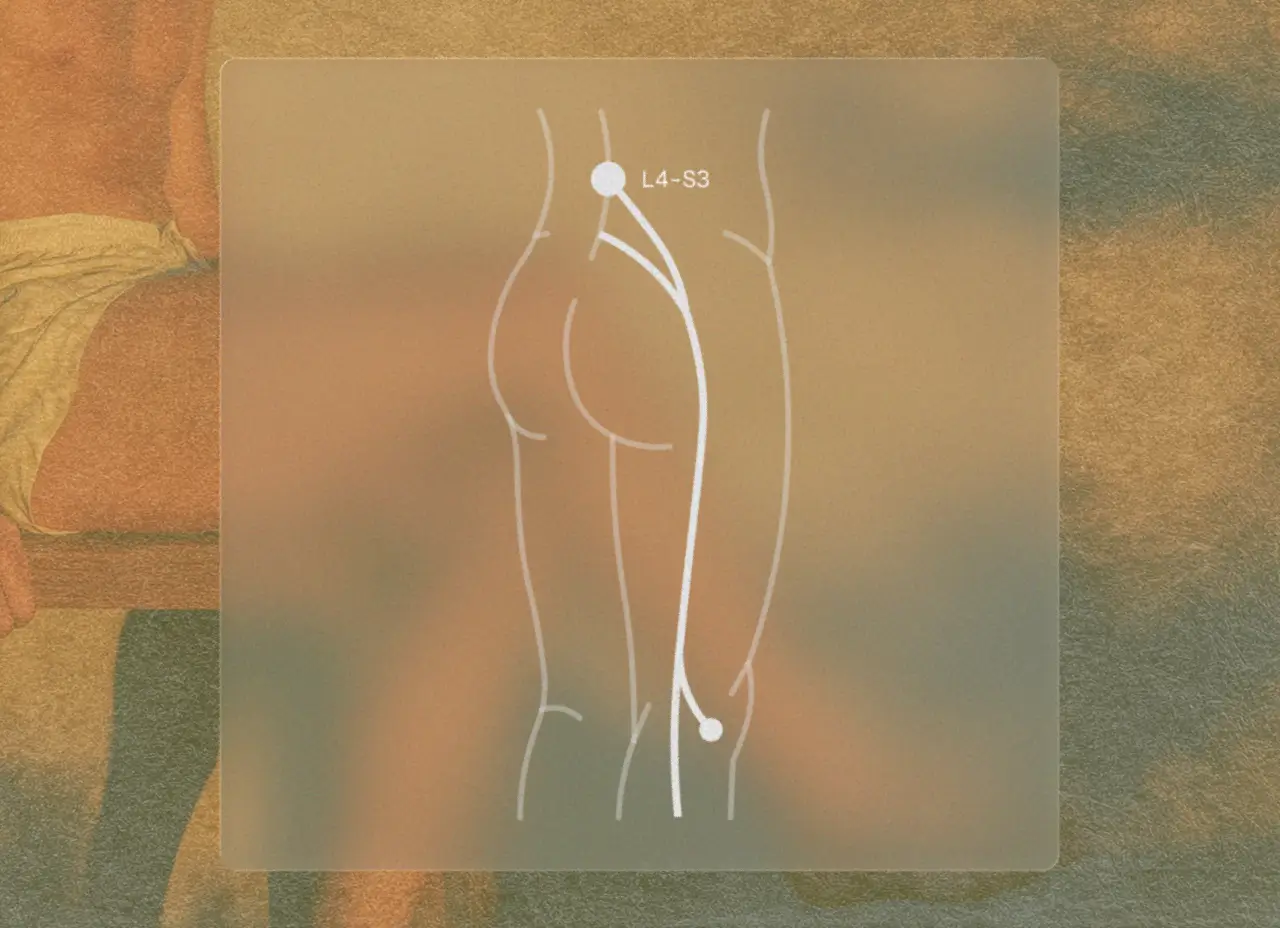
Sciatica — pain that radiates from the lower back or buttock down the back of the leg — is one of the most common reasons patients come to RobotRx. It's also one of the most commonly misunderstood conditions.
Many patients arrive believing they have a disc problem. And while herniated or bulging discs can certainly cause sciatic pain, a significant percentage of sciatica cases are muscular in origin. The piriformis muscle, which sits deep in the buttock and runs directly over (or in some anatomical variations, around) the sciatic nerve, is often the culprit.
When the piriformis shortens — due to prolonged sitting, repetitive motion, or compensation for hip weakness — it compresses the sciatic nerve. The result is radiating pain, tingling, or numbness that follows the nerve pathway down the leg. Treating the disc when the problem is the piriformis is why so many sciatica patients cycle through treatments without improvement.
A Data-Driven Diagnostic Approach
At RobotRx, we don't assume the cause. We measure it.
Your first session includes a clinical assessment that evaluates lumbar range of motion, hip rotation symmetry, and specific provocation tests that differentiate between disc-related and muscular sciatica. We measure grip strength as a systemic baseline and document your pain distribution pattern.
This data tells us where to target treatment. If the piriformis is shortened, we can see it in restricted hip rotation. If the glutes or hamstrings are compensating, we can measure the asymmetry. If the lumbar erectors are involved, range of motion data reveals the restriction. The RX2600 is then programmed to treat the specific muscles driving the nerve compression.
How Robotic Therapy Resolves Sciatic Pain
The RX2600 is exceptionally effective for sciatica because the treatment directly addresses the mechanical cause of nerve compression. The system delivers sustained pressure to the piriformis and surrounding hip rotators at intensities that physically lengthen the shortened tissue.
As the muscle lengthens, pressure on the sciatic nerve decreases. Patients often notice a reduction in leg symptoms within the first one to three sessions. The key distinction is that this isn't temporary relief — the muscle tissue remains longer after treatment. Each subsequent session compounds the structural change.
For patients with significant piriformis trigger points, we often add Dry Needling before the robotic treatment. The needling releases the acute trigger point, and the RX2600 then lengthens the entire muscle to its optimal resting length. This combination is particularly effective for sciatica that has been resistant to other treatments.
Tracking Your Progress
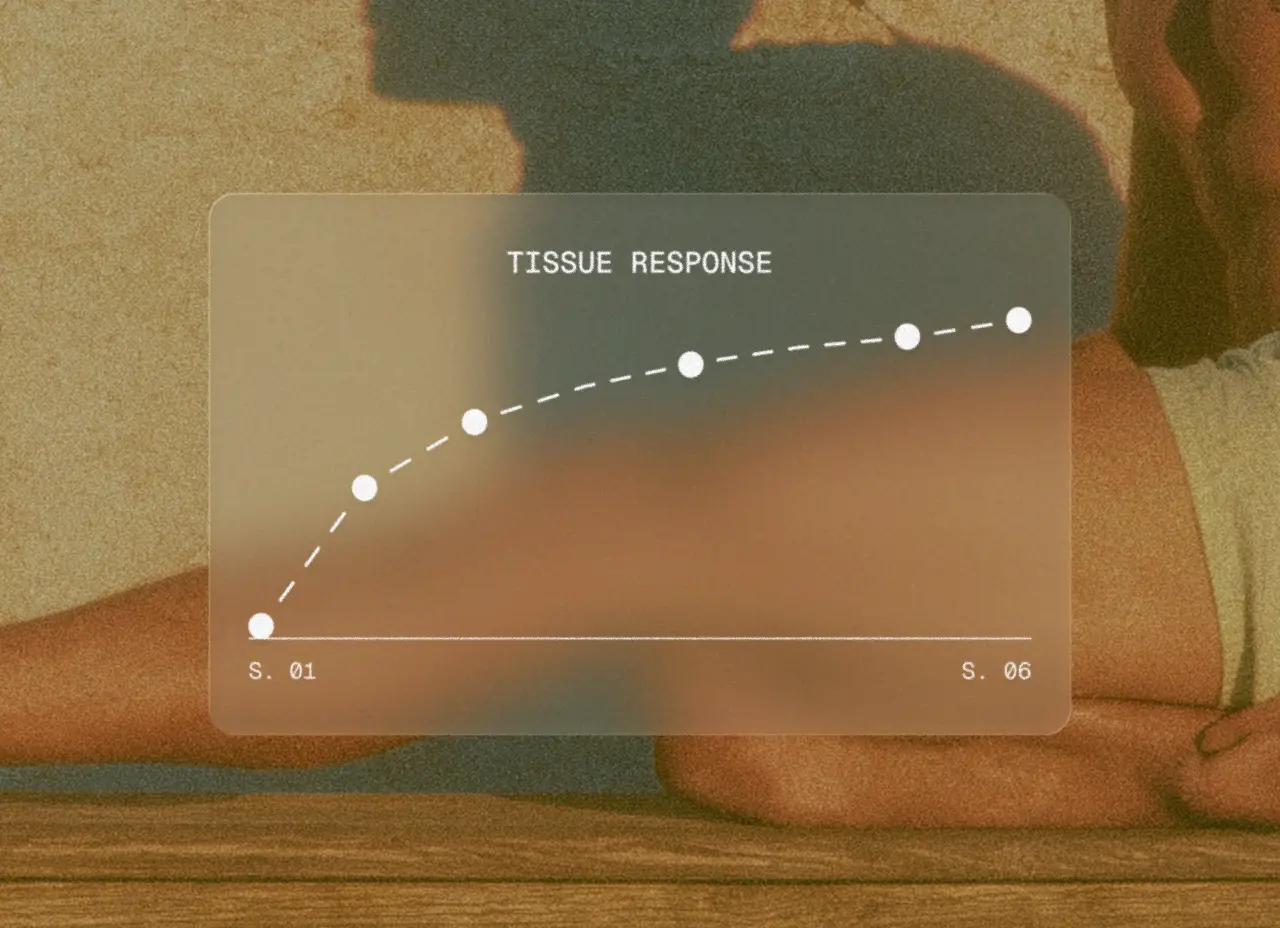
Every session includes remeasurement. We track your lumbar range of motion, hip rotation symmetry, pain score, and functional status. You'll see the numbers improve — typically a steady progression that accelerates after the first few sessions as the tissue begins to respond.
Most sciatica patients at RobotRx see meaningful improvement within five to eight sessions, depending on the severity and duration of the condition. We share your data with you at every visit so you can see exactly where you are relative to your baseline. No guesswork. No vague reassurances. Just numbers that tell the story of your recovery.