Conditions
5 Signs Your Chronic Back Pain Needs More Than Massage
Massage feels great in the moment, but if your back pain keeps coming back, it might be time for a different approach. Here are five signs you've outgrown temporary relief.
When Relief Doesn't Last
Massage therapy is valuable. It reduces tension, improves circulation, and provides real, immediate relief. But if you're booking a massage every week or two because the pain always returns, that pattern is telling you something: the treatment is addressing symptoms, not the structure causing them.
Chronic back pain that persists for months or years is almost always structural. The muscles in your back, hips, or glutes have shortened over time due to posture, repetitive movement, injury, or inactivity. Until those muscles are physically lengthened, no amount of surface-level relief will resolve the underlying issue.
Sign 1: Your Pain Returns Within 24 to 48 Hours
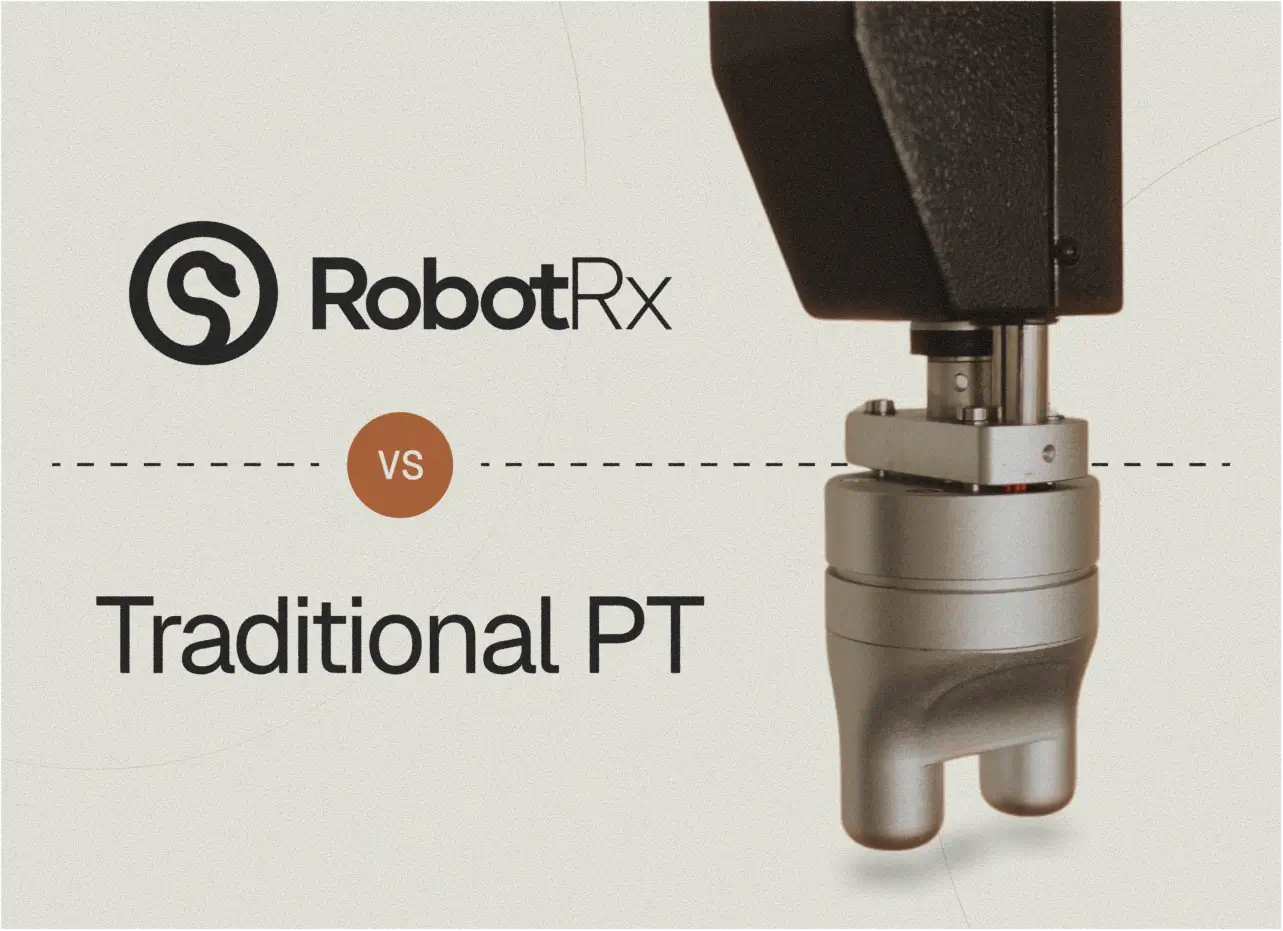
If you feel great leaving the massage table but wake up the next morning with the same tightness, the treatment isn't reaching the source. Manual pressure provides temporary relief by increasing blood flow and relaxing superficial muscle layers. But the deeper, shortened muscles that are pulling your spine out of alignment remain unchanged. The RX2600 applies sustained pressure for 21-second intervals at up to 30 pounds, reaching tissue layers that human hands can't maintain long enough to affect.
Sign 2: You've Been Going for Months Without Progress
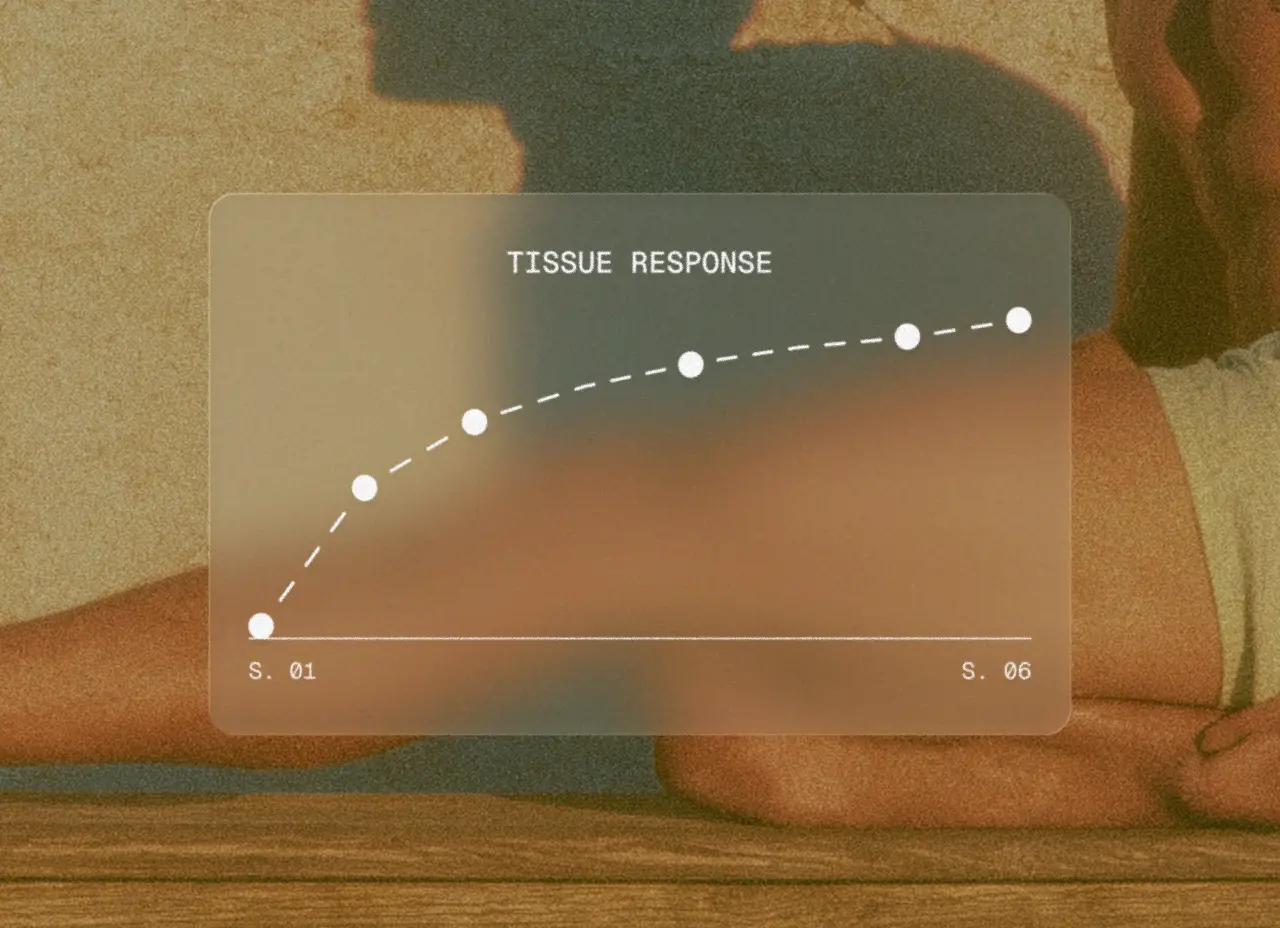
There's a difference between maintenance and dependence. If massage is part of your wellness routine and your pain is managed, that's maintenance. If you've been going for six months or more and the pain hasn't fundamentally changed, that's dependence on a treatment that isn't resolving the problem. Progress should be measurable. At RobotRx, we track grip strength, range of motion, and mobility at every visit. If the numbers aren't improving, we adjust the plan.
Sign 3: The Pain Has Started Spreading
Back pain that begins in one area and gradually expands — from your lower back to your hips, from your shoulders down your arms — is a sign that compensatory patterns are developing. When one muscle group is too short or tight, surrounding muscles overwork to compensate. Over time, those muscles shorten too. Massage treats each area independently. Robotic therapy treats the chain of dysfunction, starting with the primary restriction and working outward.
Sign 4: You've Tried Multiple Practitioners Without a Clear Diagnosis
If you've seen chiropractors, massage therapists, acupuncturists, and maybe even a pain management specialist without a clear, consistent explanation of what's causing your pain, the issue may be that none of those approaches are measuring the right things. At RobotRx, the first session includes a clinical assessment with standardized instruments. We don't guess. We measure, treat, and remeasure.
Sign 5: Your Daily Activities Are Still Limited
The ultimate test of any treatment is whether it changes what you can do in your daily life. If you're still avoiding certain movements, still sleeping poorly, still modifying your workout, still declining invitations because of your back — the treatment you're receiving isn't producing functional change.
Robotic physical therapy targets the muscles that are limiting your movement. Most patients report meaningful functional improvement within three to five sessions. Not just less pain, but more capability: bending, lifting, sleeping through the night, returning to the activities they'd given up on.